


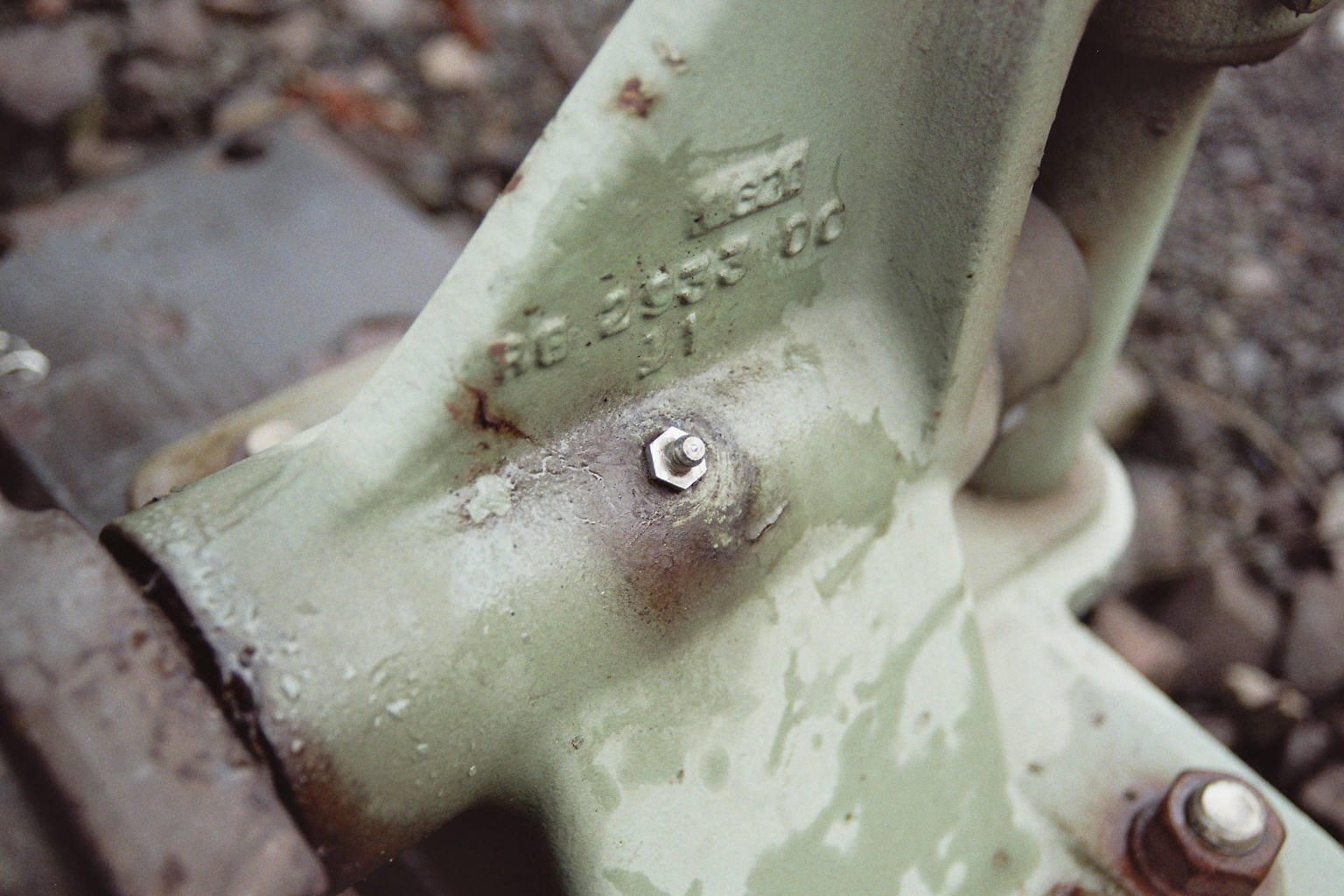
Grease It Before You Park It: Winter Greasing for Farm Equipment
Corn's out, the beans are in the bin, and the combine and bush hog are about to sit in the shed until spring. Before you shut the door on them, there's one job that's easy to rush: a good, thorough greasing. A little time with a grease gun in November can save you a seized pivot pin or a dry U-joint when you need that equipment back in April.
Why Grease Before It Sits
Farm equipment lives in water, mud, dust and chaff. AMSOIL points out that when grease runs short, those contaminants work their way into pivot joints and bearings and cause extra wear. Water is the other enemy. A weak grease can wash out, and once it's gone you get metal-on-metal contact plus rust and corrosion. Pumping fresh grease into each fitting before storage pushes out the old, dirty grease and moisture and leaves a fresh seal in the joint all winter. AMSOIL's article Agricultural and Off-Road Equipment Grease covers this in more detail.
Find Every Zerk (Yes, Every One)
Most heavy equipment has dozens of grease fittings, called zerks, and some of them are tucked where you'd swear nobody could reach. AMSOIL lists missed fittings and skipped intervals as some of the most common grease problems, and a missed fitting is where the wear shows up first. A few tips:
- Pull out the operator's manual and use its lube chart. It shows where the fittings are and how often each one needs grease. Intervals can vary from machine to machine, and even between fittings on the same machine.
- Wipe each zerk clean before you hook up the grease gun, so you don't pump dirt in with the grease.
- Don't skip the hard-to-reach ones on the drivelines, U-joints, and implement pivots.
- If a fitting won't take grease, don't just move on. Clean it out or replace it so that joint isn't running dry.
Don't Mix Greases Blindly
AMSOIL warns that greases with incompatible thickeners can harden or soften inside a component, which hurts protection. If you're switching brands or types, check compatibility first. When in doubt, purge the old grease out of the joint with the new grease until the fresh stuff shows. And if a tube of grease has been on the shelf so long that oil is bleeding out of it, AMSOIL says it has separated and won't do its job. Toss it.
Store Your Grease Indoors Too
Here's one a lot of folks don't think about: the grease itself. AMSOIL says to store its greases above freezing (32°F), in a clean, dry place, standing upright with the seal up, and to use them within two years to reduce the risk of hardening. A shop shelf beats the back of a cold pickup bed all winter. AMSOIL's shelf life article has the full storage rundown.
Picking the Right Grease
Different jobs call for different greases, and your equipment manual has the final word on what each fitting needs. AMSOIL makes a full line of bearing and chassis greases, including a synthetic off-road grease built for heavily loaded pivot points, bushings, U-joints, and implement fittings that see water and pounding. For oil, filters, and fluids for your tractor, truck, or other equipment, our Vehicle Lookup Guide shows the exact AMSOIL products for your year, make, and model. Not sure which grease fits your machine? Give us a call and we'll work through it with you.
We're Here to Help
Walter and Regina Hayes are your local AMSOIL Dealers right here in Carl Junction, serving farms, shops, and families across the Four States. Request a free AMSOIL catalog, or become an AMSOIL Preferred Customer and save up to 25% off retail prices. Call or text us at 1-417-649-6776.
Header photo: "Grease fitting on a bearing" (Schmiernippel01.jpg) by Markus Schweiss, via Wikimedia Commons, licensed CC BY-SA 3.0.

Ready to protect your engine with AMSOIL?
Questions? Call or text 1-417-649-6776 — Walter & Regina are happy to help.

Buying or selling a home in the Four States area? Walter Hayes, Oak Creek Realty Group, licensed in Missouri. Visit walterhayes.com