


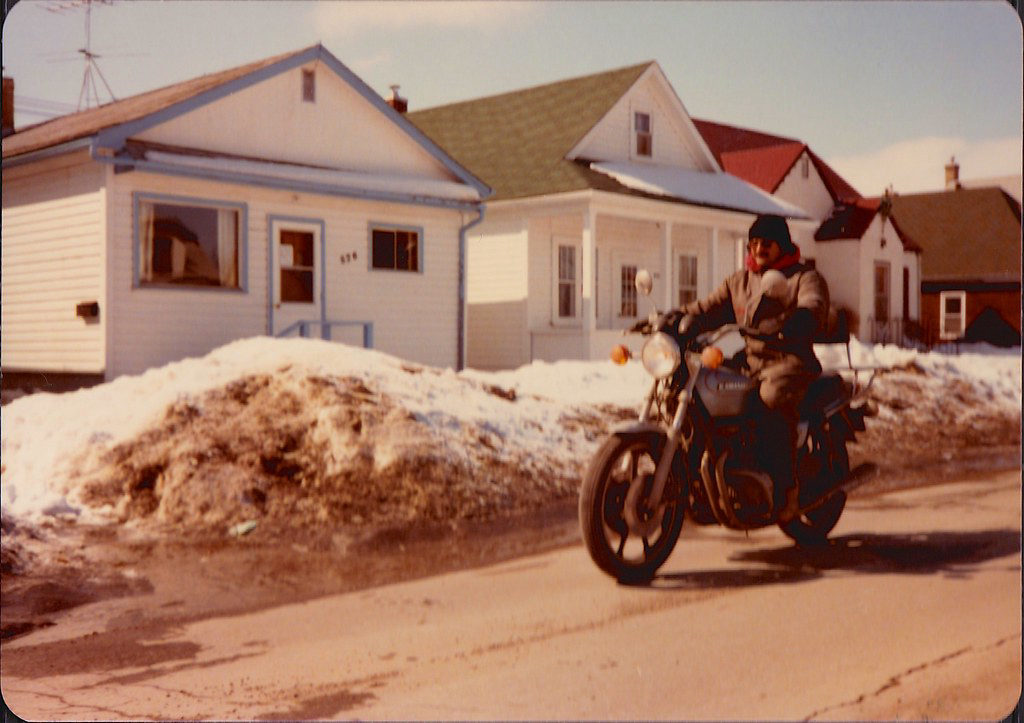
Riding Your Motorcycle on Those Mild Four States Winter Days
Every winter around Carl Junction and Joplin, we get a few of those days. The sun comes out, the wind lays down, and the roads are dry. Somebody fires up a bike in the garage, and an hour later you see a couple of riders out on Old Route 66 or the back roads toward Neosho. Not everybody parks their motorcycle from Thanksgiving to March. If you're one who keeps riding when the weather allows, here's what cold-weather riding asks of your engine and your bike. (If you're putting yours away, our motorcycle winter storage post covers that.)
Give It About a Minute
AMSOIL says yes, you should warm up your motorcycle before riding, but only for about a minute. In Should I Warm Up My Motorcycle Before Riding? they give two reasons. First, metal grows as it heats up, and if you get on the throttle hard before the engine is warm, the pistons can heat up and expand faster than the cylinders, which raises the chance of scuffing. Second, cold oil doesn't flow as easily as warm oil, so a minute gives it time to get up to the top end.
The easy way to do it is to start the bike, then put on your helmet and gloves. By the time you're ready, the bike is too. Don't overdo it either. One AMSOIL chemist quoted in that article says anything more than a few minutes is a waste of fuel and can lead to deposits on the spark plugs and exhaust. Ride easy for the first few miles until it's fully warm.
Short Rides Leave Moisture Behind
Here's the part a lot of riders don't think about. Burning fuel makes water vapor. AMSOIL explains in What Causes Motor Oil Contamination? that when the engine is hot, most of that water leaves out the exhaust. But at startup and on short trips in cold weather, it condenses on the cylinder walls and gets into the crankcase, where it leads to sludge and corrosion. Acidic combustion gases condense the same way and mix with that water.
AMSOIL says the same thing about bikes in AMSOIL Synthetic Motorcycle Oil is Engineered for Extremes: moisture builds up inside motorcycle engines when they aren't ridden enough to burn it off. So when you do get a nice day, make it a real ride, long enough to bring the engine all the way up to temperature, instead of a quick lap around the block or just starting it in the garage to let it idle.
"Cold" Starts Earlier Than You'd Think
In Combat the Effects of Cold Temperatures, AMSOIL points out that to an engine, cold means anything below normal operating temperature (they use 212°F), not what feels cold to us. AMSOIL also says the natural paraffin wax in conventional oil makes cold flow worse, and that AMSOIL synthetic motor oils contain no paraffins, so they stay fluid in cold weather for easier starting and better oil flow.
For motorcycles, an AMSOIL lab chemist says in the warm-up article that AMSOIL motorcycle oils pump very well at cold temperatures, colder than he enjoys riding in. AMSOIL also builds its motorcycle oils to help protect against rust and corrosion between rides, which matters when the bike sits a week or two waiting on the next warm day. AMSOIL's What's the Best Motorcycle Oil? explains how temperature and humidity swings in a garage create condensation, and how rust that forms can flake off into the oil.
You'll find AMSOIL's synthetic motorcycle oils on their site, including oils for V-twins and street and adventure bikes. The right oil and viscosity depends on your bike, so check your owner's manual or our Vehicle Lookup Guide before you buy. For more on what those viscosity numbers mean in winter, see our winter oil viscosity post.
Before You Head Out
- Tires. Cold air drops tire pressure, so check it cold, before you ride, and set it to the number in your owner's manual. Cold tires also take a while to get grip, so go easy at first.
- Battery. Cold is hard on batteries, and a bike that sits between rides can run one down. A battery tender between rides helps.
- Watch the road. Shady curves, bridges, and spots where snow melted across the road can hold ice or moisture long after the rest of the road is dry.
- Dress for it. Wind chill on a bike is a lot colder than the thermometer says. Layer up and cover your hands and neck.
Wash Off the Salt
Once road crews start treating the roads, every ride picks up salt and brine, and salt is hard on metal. Rinse the bike after riding on treated roads and let it dry before you park it. For extra protection, AMSOIL says its Heavy-Duty Metal Protector protects metal against salt, moisture and chemical corrosion and leaves a long-lasting, wax-like coating. Read the label for where and how to apply it.
We're Here to Help
Walter and Regina Hayes are your local AMSOIL Dealers right here in Carl Junction, serving riders, homeowners, farms and fleets across the Four States. Request a free AMSOIL catalog, or become an AMSOIL Preferred Customer and save up to 25% off retail prices. Call or text us at 1-417-649-6776, and we'll help you find the right oil for your bike.
Header photo: "Craig Winter Motorcycling" by NESR, via Flickr, licensed CC BY-SA 2.0.
Ready to protect your engine with AMSOIL?
Questions? Call or text 1-417-649-6776 — Walter & Regina are happy to help.

Buying or selling a home in the Four States area? Walter Hayes, Oak Creek Realty Group, licensed in Missouri. Visit walterhayes.com